All Categories
Featured


Predictive PPC Optimizations to Support Paid Growth
Table of Contents
It is not a recommendation engine that recommends modifications you still have to implement yourself. groas does everything, strategy through execution, with AI representatives working 24/7 and a genuine human strategist keeping the big image in focus. The result is remarketing that never ever goes stagnant, never wastes budget plan on converted users, and never stresses out imaginative before someone catches it.
If you are running Google Advertisements and your remarketing projects are not getting day-to-day attention, you are losing conversions you currently paid to earn. groas repairs that, completely, at a portion of the expense of a firm or in-house hire. Start with a complete account audit and see exactly where your remarketing is leaving money on the table.

This is lower than the 1,000-user minimum required for Search remarketing. Extremely little lists can lead to irregular performance due to the fact that Google's bidding algorithms lack adequate information to optimize. If your lists are under a couple of thousand users, consider combining segments instead of splitting them into extremely granular groups. If you offer products online and have a Google Merchant Center feed, dynamic remarketing is the better choice because it immediately reveals users the particular items they saw.
Optimizing Digital Growth Performance Within United States
A frequency cap of 3 to 5 impressions per user each day is an affordable beginning point. High-intent audiences like cart abandoners can endure a little greater frequency since the advertisements feel more relevant. Low-intent audiences like blog readers should be capped lower. Enjoy your click-through rate relative to frequency. If CTR drops while frequency increases, tighten up the cap.
View-through conversions are easily inflated due to the fact that a user who was currently going to convert may have passively seen your ad. Shorten the view-through conversion window to 1 day instead of the default 30 to lower sound, and utilize view-throughs as a directional signal rather than a tough efficiency metric. Develop an exclusion list of current converters and apply it to all your remarketing campaigns.
For a SaaS organization, that may be 90 days. For ecommerce consumables, 14 days may be better. Without exemption lists, you waste budget plan and annoy clients who already bought. If your remarketing campaigns produce fewer than 30 conversions each month, Target CPA and Target ROAS will have a hard time to optimize.
Modern Tactics to Lower Your CPA
As your conversion volume grows, transition to target-based bidding for much better effectiveness. Yes. groas is a full-service Google Ads management service where AI representatives run projects 24/7 and a devoted human account supervisor oversees technique. groas manages everything from audience development and imaginative rotation to bid changes and exclusion list management.
Creative tiredness is among the biggest silent killers in remarketing. At a minimum, evaluation and turn creative every 2 to 4 weeks. Display your click-through rates for signs of decrease. If CTR drops progressively while impressions stay stable, your creative is stressing out. This is one of the operational details that groas deals with immediately, with AI representatives monitoring efficiency signals continually and a dedicated account supervisor overseeing innovative method.
While vacation sales revenue is the most noticeable metric for seasonal success, it isn't the only one. If you aren't examining and triggering your fresh fourth quarter information, you are missing out on an extremely valuable side benefit of surging holiday traffic.
Optimizing Predictive Analytics for ROI
Beyond the instant earnings, this period generates a wealth of behavioral insights, such as ideal purchase courses, item affinities, and intent signals, that add significant value to a one-time deal. What separates the market leaders from the herd is their capability to transform this seasonal spike into a long-term development engine.
Here is how you can turn vacation shopping data into a plan for 2026 success. This expression suggests that the bulk of a company's sales originate from a small but important subset of clients.
If you aren't distinguishing your bids based on a shopper's history, you are likely either overspending on those who would have transformed organically or underspending on high-value consumers who are at risk of lapsing. Action: True strategic control means using your information to notify real-time auction choices. Its results serve as a masterclass in this technique, exceeding basic projects significantly.
Today's shopping information sharpens tomorrow's acquisition method, while leading consumer data is used to notify retention efforts. The maker should continuously learn, accelerate, and sustain its own growth. Action: Usage several customer lifecycle objectives simultaneously to hit near-term income targets and fuel long-term growth. This makes sure that every dollar invested today is a beneficial contribution to both present math and future worth.
Simple Tips to Improve Ad Campaign Efficiency
Its acquisition campaign to bring in brand-new customers provided a return on ad invest (ROAS) 82% greater than target, while its retention project to reengage inactive, high-value customers accomplished an astounding 1,300% higher ROAS. This approach shows how triggering data across the entire consumer lifecycle can provide outsized, compounding outcomes. The holiday acts as a high-stakes tension test, however the strategies that win in December are the exact same ones that should drive growth in July.
As we move into 2026, the competitive edge belongs to the sellers who don't simply reach customers but value them and bid appropriately. The shopping data from your 2025 holiday rush supplied the development engine plan; now is the time to build.
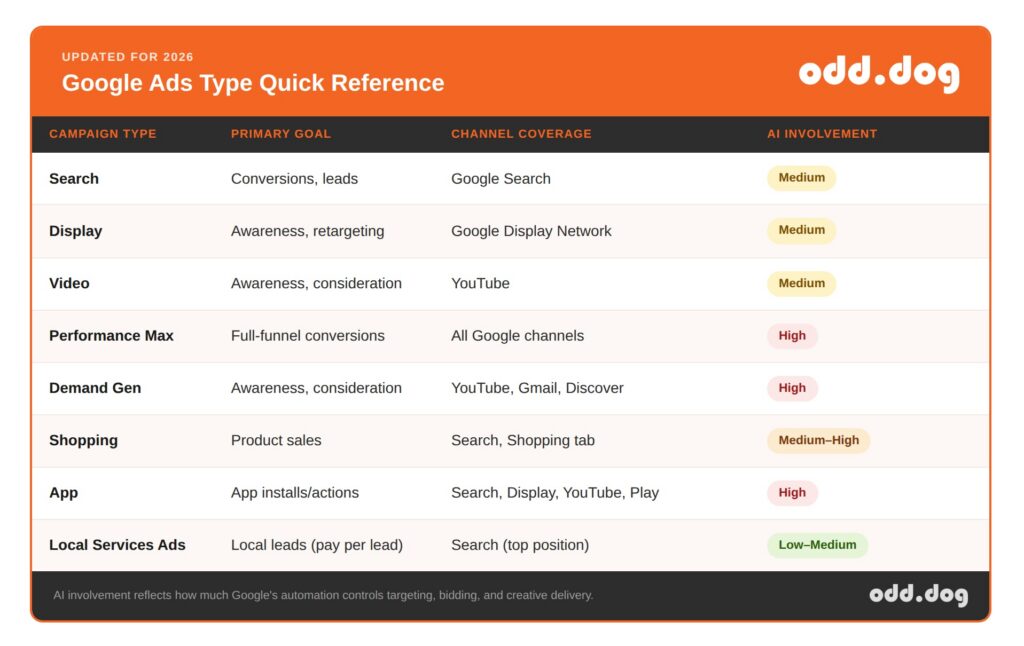
Your quote strategy is a critical lever for PPC success, and the right quote type tells Google's AI precisely how to spend your budget to strike your particular company objectives. Bidding technology has progressed quickly, and adjusting to each shift can be a competitive benefit in 2026. Google Advertisements bidding has moved from manual, keyword-by-keyword control to auction-time bidding that checks out millions of real-time signals the minute a search takes place.
This guide breaks down every main bidding type, the updates you require to understand, and when to utilize each one. If you have actually run Google Ads for years, treat this as a refresher.

Latest Posts

Key Ways to Optimize Search Budget Efficiency

Future-Proofing Your Paid Marketing & CRO for 2026
Scaling Digital Growth Efficiency Across the US